




Root Canal Therapy
May be recommended if:
Patients have persistent tooth pain, swelling, or a tooth with deep decay or infection
When the soft tissue inside a tooth becomes infected or damaged, root canal therapy can often save the tooth and eliminate the source of discomfort. Rather than removing the tooth via extraction, this treatment cleans and seals the inside of the tooth so it can continue to function for years to come.
At Torresdale Dental Associates, we understand that many patients feel nervous when they hear the words “root canal.” Our goal is to make the experience as comfortable and stress-free as possible. We take the time to ensure you’re fully numb before treatment begins, answer your questions, and provide gentle care every step of the way. Our priority is to save your natural teeth whenever possible.
Benefits of root canal therapy
Root canal therapy can relieve discomfort while protecting your long-term oral health. Here are a few reasons patients may choose root canal therapy:
- It preserves your natural tooth and smile when possible, preventing the need for an extraction
- It effectively eliminates infection inside the tooth
- It relieves pain and swelling
- It restores normal chewing and function
Keeping your natural tooth is often the healthiest long-term solution and helps maintain proper alignment and function within your smile.
Could root canal therapy be right for you?
You may be a good candidate for root canal therapy if you have:
- Persistent tooth pain
- Swelling around a tooth or gums
- A deep cavity
- Signs of infection inside a tooth
- Loose teeth or changes in your bite
The best way to determine whether a root canal is needed is through a comprehensive dental examination. Our team will evaluate your tooth, discuss your treatment options, and recommend the solution that’s best for your oral health.
What to expect during root canal treatment
Root canal therapy is typically completed during a single appointment lasting approximately one and a half hours.
Step 1: Ensuring Your Comfort
Before treatment begins, we’ll thoroughly numb the area so you remain comfortable throughout the procedure. Keeping the procedure pain-free is one of our highest priorities.
Step 2: Cleaning the Tooth
Once the tooth is numb, we’ll gently remove the damaged or infected tissue from inside the tooth. The inner canals are carefully cleaned and disinfected to eliminate bacteria.
Step 3: Sealing the Tooth
After the tooth has been cleaned, the inside is sealed to help protect it from future infection. Depending on your specific situation, we may recommend additional restoration like a crown to strengthen and protect the tooth.
Recovery after root canal therapy
Root canal recovery is usually straightforward. Some patients experience mild soreness around the treated tooth for a few days, particularly when chewing.
We typically recommend taking an over-the-counter pain reliever if needed, and chewing on the opposite side of your mouth for a couple of days. If any additional aftercare is needed, our team will instruct you accordingly. Most patients return to their normal daily activities shortly after treatment.
Frequently Asked Questions
Do root canals hurt?
No. Before we begin treatment, we’ll make sure the tooth is completely numb so you remain comfortable throughout the procedure.
Afterward, it’s normal to experience some mild soreness around the treated area for a short time, especially when chewing, but this typically improves within a few days.
Will I need a crown after my root canal?
In many cases, yes. Teeth that have undergone root canal therapy are often more vulnerable to fracture, so placing a dental crown helps strengthen and protect the tooth for long-term function. We’ll discuss whether a crown is recommended based on your individual case.
Is removing the tooth an alternative?
In some situations, the alternative to root canal therapy is extracting the tooth. Whenever possible, we prefer to preserve your natural tooth because it helps maintain normal chewing, appearance, and overall oral health. If extraction is the better option, we’ll explain your replacement options, including dental implants and bridges.
How long does a root canal take?
Most root canal treatments are completed in a single visit lasting about one to one and a half hours.
Why choose Torresdale Dental Associates for root canal therapy in Northeast Philadelphia?
When you’re experiencing dental pain, you want prompt treatment from a team you trust. Patients choose Torresdale Dental Associates because we prioritize gentle, compassionate care. We take the extra time to ensure every patient is fully comfortable before treatment begins and work carefully throughout the procedure to make the experience as stress-free as possible.
As much as possible, we prioritize:
- Relieving your discomfort
- Preserving your natural tooth whenever possible
- Helping you return to your daily life with a healthy, functional smile
If you have questions about insurance coverage or treatment costs, our team is happy to review your benefits and discuss your financial options before treatment begins.
Experiencing tooth pain or swelling?
Related Services

Crowns
A crown is a treatment that is completed when a tooth has a cavity or fracture that compromises a large portion of the tooth.

Dental Fillings
A dental filling is a tooth-colored material that is used to treat a tooth with a cavity. Once the cavity is gently removed, the filling is placed to seamlessly restore the tooth to its original form and function.
Oral Surgery & Extractions
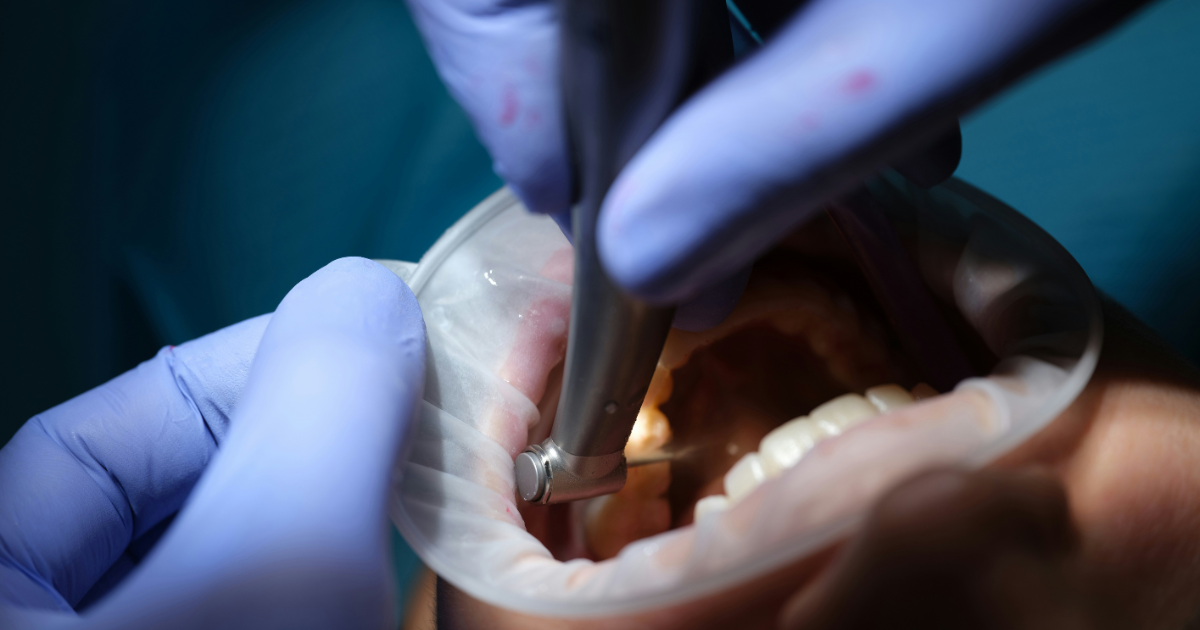
Sometimes, when teeth become loose or broken down with infection, they need to be removed. When that time comes, we are here for you.
